Potato flakes and potato flour, with the full specification.
Cooked, mashed and drum-dried potato from a single processing line — the same base material milled to two different jobs. Full published specification below.
HS 1105.20 · 1105.10
Potato flakes and flour
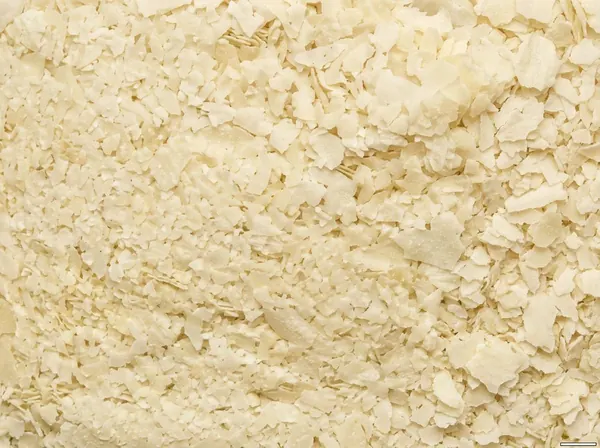
Potato flakes
HS 1105.20 · thru 1.7 mm
Rehydrates to a mashed-potato texture with hot water or milk. The highest-volume line in the range.
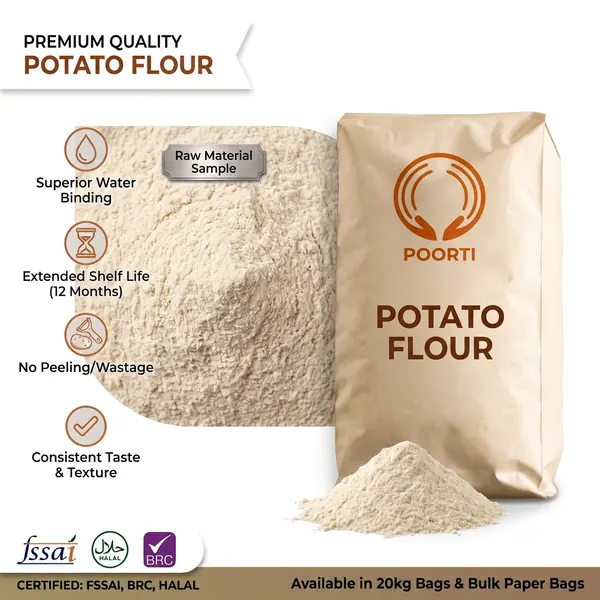
Potato flour
HS 1105.10 · mesh to requirement
The finest mill of the range. A binder and coating carrier — it takes up water, holds a patty together, and crisps under fry.
What buyers make with it.
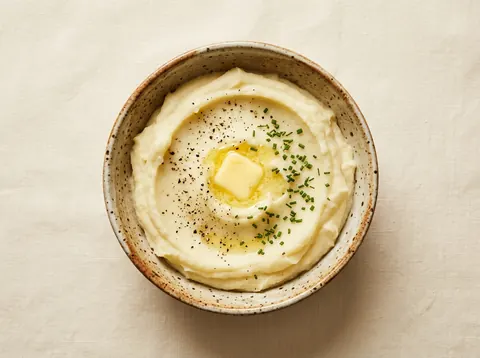
Instant mash
Flakes
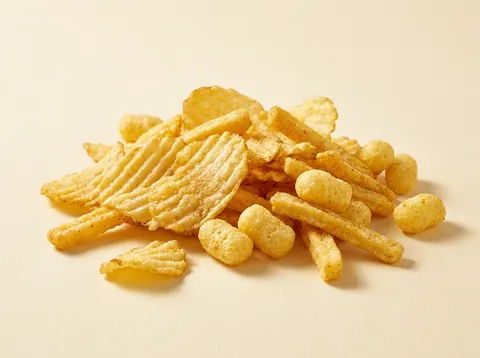
Snacks & pellets
Flakes

Croquettes
Flakes

Patties & binding
Flour
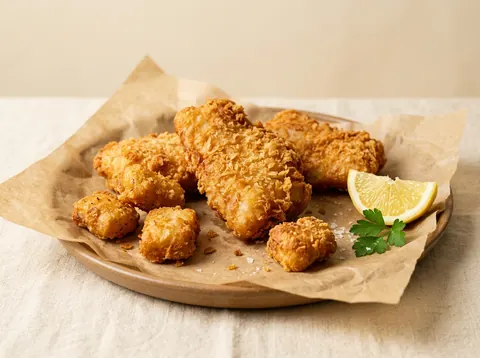
Coating systems
Flour
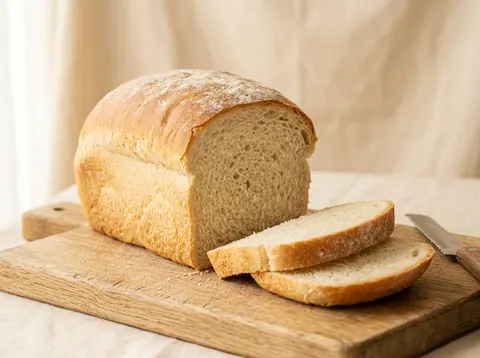
Bakery
Flour
Specifications are typical values, confirmed per lot on the certificate of analysis.
Take it with you
The full potato dossier
Twelve pages. Both published specifications, the three flake grades and what each one is for, dose rates by application, packing and container loading, and the paperwork that moves with the container. Written for your technical and purchasing teams to read without us in the room.
PDF · 1.4 MB · 12 pages · English
Pack formats — potato line
Bulk sacks for intake at your facility, 1 kg pouches for retail, foodservice and sampling. Private-label and neutral packing available to your own artwork.
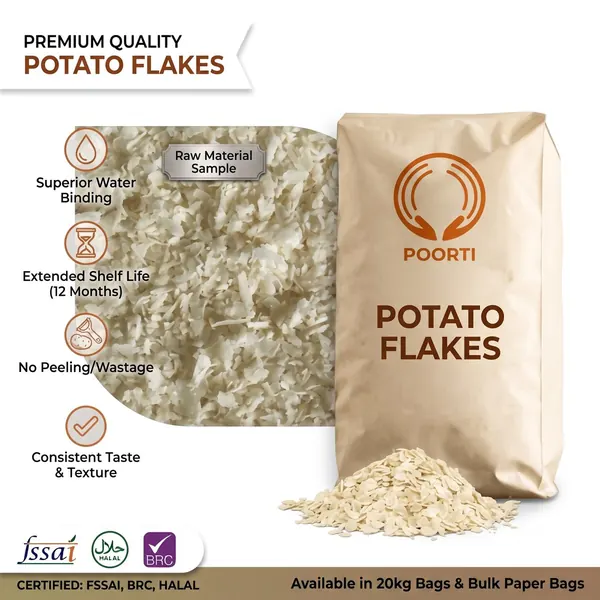
Potato flakes
20 kg bulk
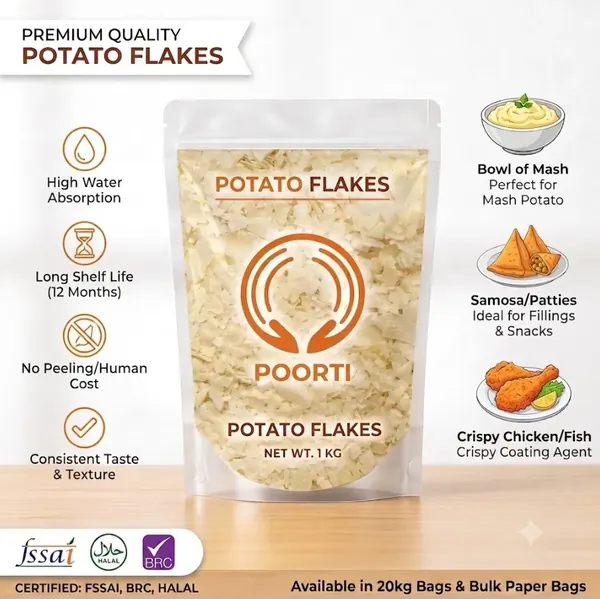
Potato flakes
1 kg pouch
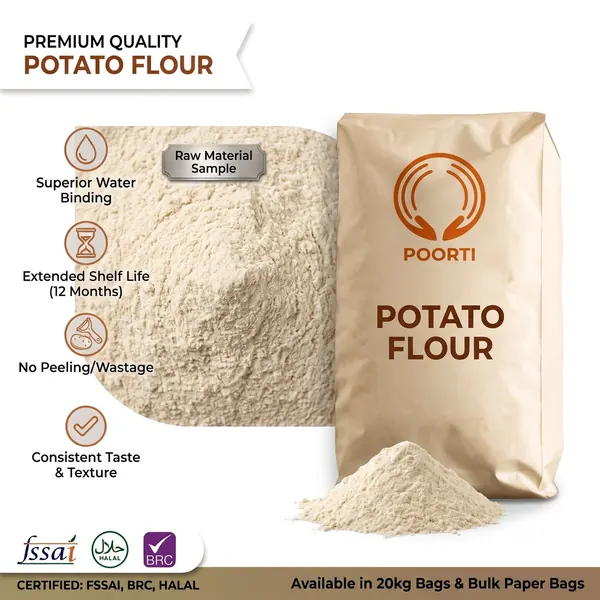
Potato flour
20 kg bulk
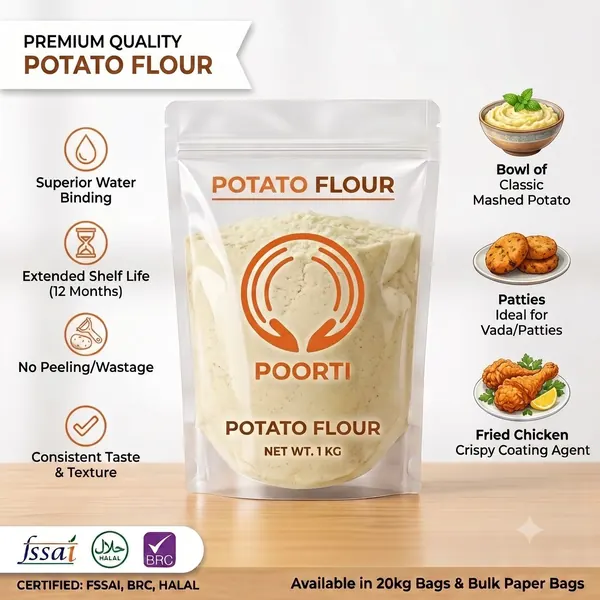
Potato flour
1 kg pouch
How the potato line runs — it starts with the right potato.
Only potatoes above 20% solid content enter the line. Low-solid potatoes carry water, not yield — they cost more to dry and finish inconsistently. Intake is checked at the gate and a load that misses the parameters is turned away rather than blended in.
- Chipsona-1
- Chipsona-2
- Chipsona-3
- Frysona
- Himsona
- Lady Rosetta
- Santana
- 01
Intake
Every truckload checked at delivery against set parameters. Off-spec loads are refused, not downgraded.
- 02
Wash
Metal detection, then high-pressure jet wash to strip soil and foreign matter so damage is visible for sorting.
- 03
Peel
Mechanical peeling and a second wash. Peel waste is diverted to the by-product line, not to drain.
- 04
Cook
Cut to size, then cooked on high-pressure steam. No water enters the cook, so solids stay in the potato.
- 05
Mash
Cooked potato is mashed to a fluffy mass. Shelf-life additives are dosed at this point.
- 06
Dry
Drum dryers draw moisture off the mash and form a thin sheet, milled down to the particle size ordered.
- 07
Pack
Sorted by particle size and density, then filled into lined sacks that keep moisture out through the voyage.
The line is fully automatic and reconfigurable, so more than one customer specification can run in the same production window.
Questions buyers ask about potato flakes
Answered from the published line above. Anything not answered here is on the spec sheet.
- What are potato flakes?
- Cooked potato with the water taken out. Washed, peeled, steam-cooked, mashed, dried in a thin film on a heated drum, milled to the size you order. Nothing added but the shelf-life aid.
- What is the difference between potato flakes and potato flour?
- Same cooked potato, two different jobs. Potato flakes rehydrate to a mashed-potato texture and are bought for instant mash, snack pellets, croquettes, dumplings and ready meals. Potato flour takes up water, binds and carries a coating, and is bought for patties, vada, cutlets, koftas, batter systems, soup thickening and bakery texture.
- Are potato flakes the same as potato starch?
- No. Potato starch is starch only, protein and fibre washed out. A thickener. Will not rehydrate to mash, carries no potato flavour.
- What is the HS code for potato flakes and potato flour?
- Potato flakes are HS 1105.20 and potato flour is HS 1105.10.
- What is the moisture and particle size of Poorti potato flakes?
- The published specification is moisture 10.0% max by weight and particle size 100% through 1.7 mm (1680 micron). Values are confirmed per lot on the certificate of analysis.
- How are potato flakes packed and how many fit in a container?
- Poly-lined HDPE woven sack, inner PE liner, 20.00 kg net. 480 sacks, 9,600 kg net, per 20 ft container.
- What is the shelf life of potato flakes?
- 12 months from date of manufacture, in sealed pack. Store cool and dry, out of direct sunlight and away from strong odours.
- What should I put in a potato flakes enquiry?
- The material and the cut: flakes or flour, and the particle size or mesh you buy to today. What you make with it: one line. It decides which maker runs your order. Volume and frequency: tonnes per shipment and shipments per year — the planner above gives you both. Destination port: freight and documents are quoted from it. Incoterm: fOB Mundra, CIF or C&F to your port. Any spec you must not break: moisture ceiling, SO₂ limit, microbiological standard, halal or kosher, label language.